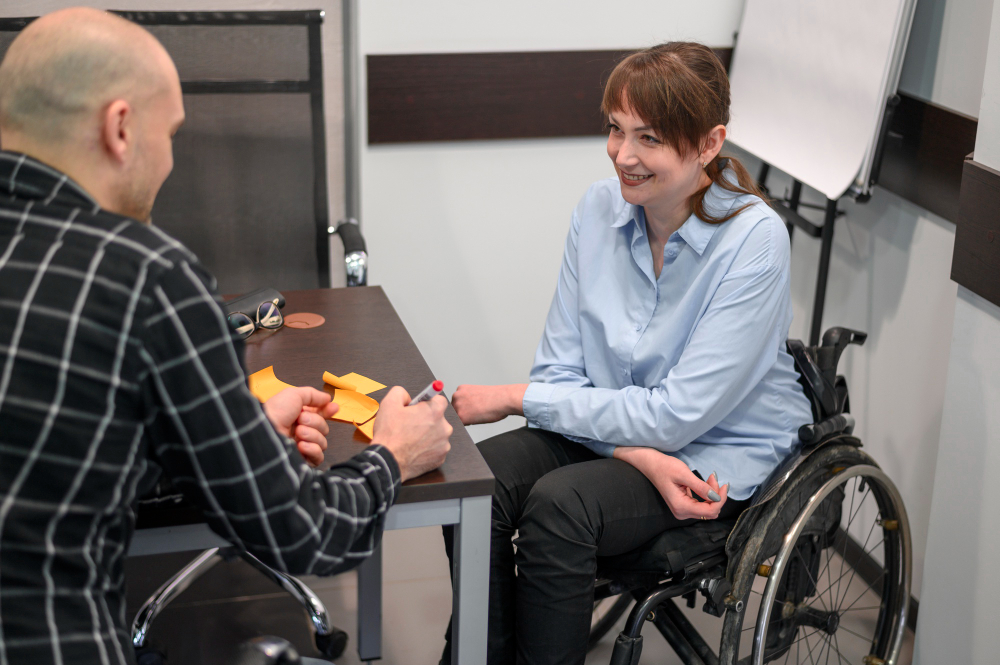
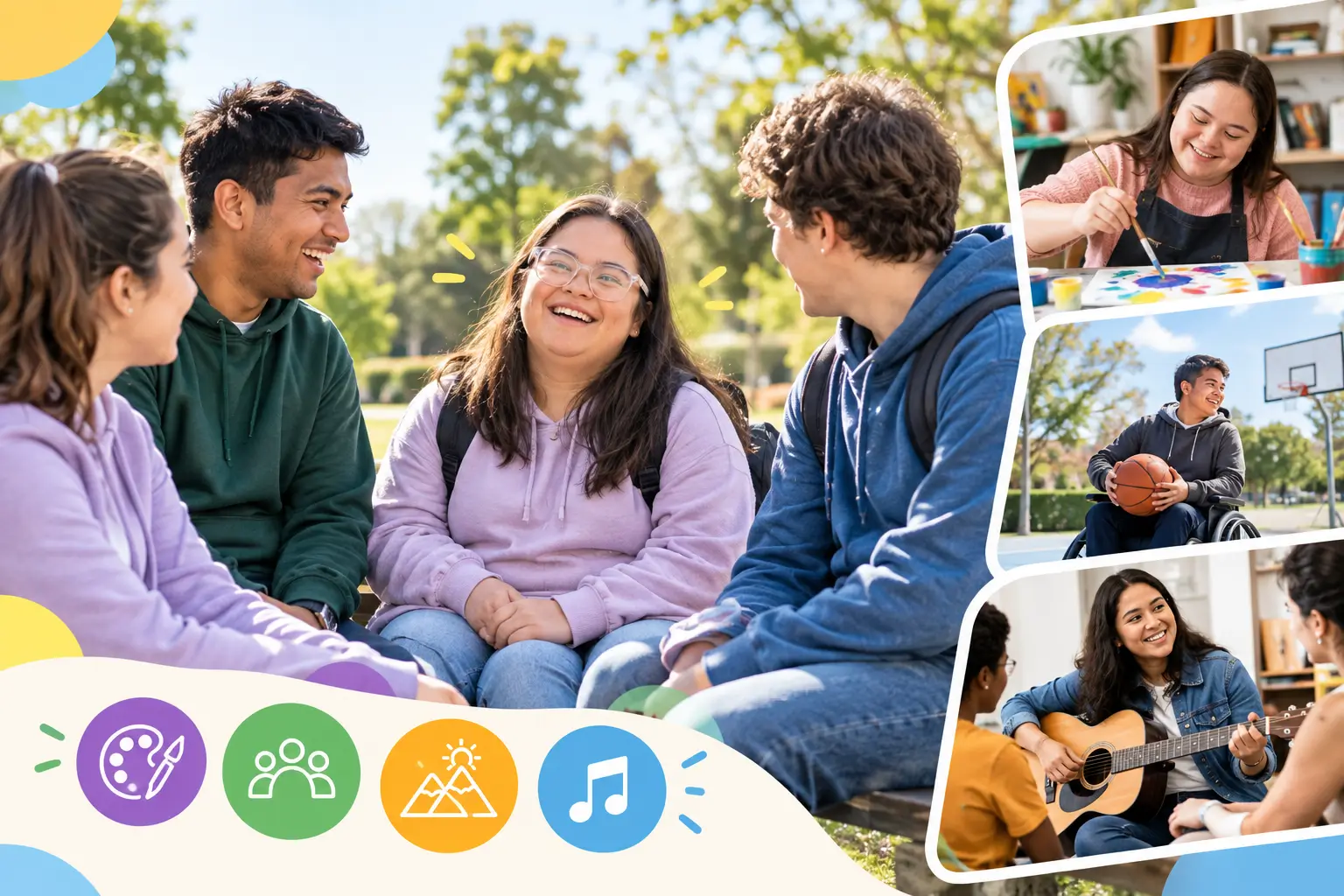
NDIS Support for Social Activities can help participants find activities they enjoy, spend time with other people and become more involved in their local community. Social activities can be simple, such as visiting a friend, joining a hobby group, going for a walk or attending a local event.
Finding an activity you enjoy can make everyday life more interesting. It can also give you opportunities to meet people, learn new skills and feel more connected to your community.
The NDIS recognises social and recreation activities as an important part of everyday life. Depending on a person’s goals, needs and plan, support may help them take part in social, recreational and community activities. The NDIS also says that goals can include doing social and recreation activities, building friendships and connecting with family.
The most important thing is to find activities that are meaningful to you. You do not have to enjoy the same things as everyone else.
What Are Social Activities?
Social activities are things you do with other people or activities that help you connect with your community.
They can happen at home, in your neighbourhood or in other places. Some activities may involve a large group, while others may involve just one or two people.
Social activities can include:
- Visiting friends or family
- Going to a local café
- Joining an art class
- Playing sport
- Going for a walk
- Visiting a library or museum
- Attending a community event
- Joining a hobby group
- Going to the movies
- Taking part in music activities
- Gardening with others
- Going shopping
- Joining a cooking group
- Visiting a community centre
- Taking part in outdoor activities
The NDIS has also identified activities such as sport, art, music, outdoor activities and hobby groups as ways people can connect with others and participate in their communities.
There is no single activity that is right for every participant. The best activity is one that matches your interests, abilities, goals and comfort level.
How NDIS Support for Social Activities Can Help
NDIS Support for Social Activities may help a participant get involved in activities that are connected to their disability-related needs and NDIS goals.
The NDIS says Core Supports can include assistance with social and community participation when this is part of a participant’s goals. This can include support from a worker to become more independent in the community and take part in group or social activities.
For some participants, Capacity Building supports may also help them find activities they enjoy, connect with other people, build social skills and increase independence.
This does not mean the NDIS pays for every social activity. The support must follow NDIS rules and be connected to the participant’s needs and goals.
The NDIS explains that funded supports need to meet the reasonable and necessary criteria. These criteria include being related to disability, helping with goals and supporting participation in social activities.
Why Finding Activities You Enjoy Matters
Doing something you enjoy can make it easier to stay involved.
If you choose an activity only because someone else thinks you should do it, you may not want to continue. When an activity matches your interests, you may feel more motivated to attend and practise.
Enjoyable activities can also give you something to look forward to during the week.
For example, someone who enjoys animals might like visiting a local animal group or volunteering where appropriate. Someone who loves music may enjoy a music group. Another person may prefer quiet activities such as drawing, reading or gardening.
The activity does not have to be complicated.
The NDIS’s research into social and community participation found that participation can help people develop a sense of belonging and connection, build relationships, expand social networks and develop confidence.
NDIS Support for Social Activities and Building Confidence
Trying something new can feel difficult.
A person may worry about meeting new people, finding the right place or not knowing what to do. The right support can make the first step easier.
A support worker may help someone prepare for an activity, travel to the location, understand what will happen and take part in the activity.
The NDIS explains that support workers can help participants attend social events and activities, including community groups and activities such as markets or craft groups. The type of support depends on the participant’s goals, needs and plan.
Confidence can grow through repeated practice.
The first visit may feel unfamiliar. The next visit may feel easier because you know where you are going. After several visits, you may feel more comfortable doing parts of the activity yourself.
How to Find Activities You Might Enjoy
Finding the right activity does not have to happen all at once.
Start by thinking about things you already enjoy. You can also think about things you have always wanted to try.
Ask yourself:
- What do I enjoy doing at home?
- What did I enjoy when I was younger?
- Do I prefer being indoors or outdoors?
- Do I like working with my hands?
- Do I enjoy music?
- Do I like animals?
- Do I enjoy exercise?
- Would I like to meet new people?
- Do I prefer small groups?
- Would I rather do an activity with one support person?
- Is there something I have always wanted to learn?
Your answers can help you create a list of possible activities.
You do not have to choose the perfect activity on the first try.
Trying different activities can help you learn what you like and what you do not like.
Try Different Types of Social Activities
There are many different activities you can explore.
Art and Creative Activities
Creative activities can include drawing, painting, crafts, pottery, photography, music or other forms of art.
These activities can be done alone or with other people. A group class can also give you an opportunity to meet people who have similar interests.
You do not need to be an expert.
The purpose can simply be to enjoy the activity, practise a skill and spend time with others.
Sports and Physical Activities
Sport can be another way to become involved in the community.
Depending on your interests and abilities, you might explore walking groups, swimming, basketball, tennis, dancing, yoga or other activities.
You can ask about accessibility before joining a group.
A suitable activity should be safe and appropriate for your needs. You can discuss support requirements with your support worker, provider or other people involved in your NDIS supports.
Hobby Groups
Hobby groups can be a good way to meet people who already enjoy the same things.
Examples include gardening, cooking, crafts, photography, books, model building or technology groups.
Having a shared interest can make starting a conversation easier.
You already have something in common with the other people in the group.
Community Events
Local community events can provide another way to get involved.
These could include markets, community festivals, exhibitions, local activities or events at a community centre.
Some people may enjoy busy events, while others may prefer smaller and quieter activities.
It is okay to choose the environment that feels comfortable for you.
How NDIS Support for Social Activities Can Make Joining Easier
Sometimes the hardest part is getting started.
You may know which activity you want to try but still need help getting there or taking part.
A support worker may help with planning the trip, understanding the activity, communicating with other people or managing parts of the outing.
For example, imagine you want to join a local art group.
Your first step may be finding out where the group meets. Your next step could be visiting the location with a support worker. After that, you might attend one session and decide whether you enjoy it.
You can then decide whether you want to continue.
This type of gradual approach can make a new activity feel less overwhelming.
Choosing Activities That Match Your Goals
Your NDIS goals can help guide your choices.
The NDIS says goals are things you want to work towards. They can be small or large and may include community participation, building friendships, learning new skills and becoming more independent.
For example, your goal might be:
“I want to meet more people in my local community.”
You could explore:
- A hobby group
- A community class
- A sports group
- A social activity
- A local community centre
Another goal could be:
“I want to become more confident using public transport.”
You could choose an activity that requires a short bus or train journey. With suitable support, you could practise the journey and gradually become more familiar with it.
Your activity does not have to be directly about disability.
It can simply be something you enjoy that also gives you opportunities to work towards your goals.
Starting Small Can Make a Big Difference
You do not need to join a large group straight away.
If meeting lots of people feels uncomfortable, start with something smaller.
You could:
- Visit a place with a support worker.
- Watch an activity before joining.
- Attend for a short time.
- Meet one person at a time.
- Try the activity again.
- Increase your participation when you feel ready.
This gives you time to become familiar with the activity.
The NDIS’s social participation research found that individualised support, help with making choices and support workers who understand a person’s interests can help people participate in the community.
Finding People With Similar Interests
Meeting people can be easier when you share an interest.
For example, if you enjoy gardening, you might feel more comfortable talking to someone who also likes plants.
If you enjoy sport, you already have something to discuss with people in your group.
If you enjoy art, you can talk about what you are making.
A shared activity gives people something to do together. You do not have to spend the entire time talking.
For some people, this can be a comfortable way to build friendships slowly.
What If You Do Not Know What You Enjoy?
That is completely okay.
Some people know their favourite activities straight away. Others need time to discover what they like.
You can make a list of activities you are curious about.
Try one activity at a time.
After each activity, ask yourself:
- Did I enjoy it?
- Did I feel comfortable?
- Did I like the people there?
- Was the environment suitable for me?
- Would I like to try it again?
- Did I learn something new?
- Did I feel good after taking part?
There is no failure if you try something and decide it is not for you.
Finding what you do not enjoy can also help you understand what you want to try next.
NDIS Support for Social Activities Should Be Person-Centred
Every participant has different interests, strengths and support needs.
One person may want to join a busy community group. Another may prefer a quiet activity with one or two people.
Some people may enjoy regular activities, while others may prefer trying different things.
The NDIS’s guidance encourages a person-centred approach to social and community participation. This means looking at the person’s goals, interests, strengths and needs rather than simply choosing an available activity.
Your support should help you participate in ways that are meaningful to you.
You should also have a say in what activities you want to try.
What Can a Support Worker Do?
A support worker can provide practical assistance based on the participant’s needs and plan.
Depending on the support available, this may include helping with:
- Planning an outing
- Preparing for an activity
- Travelling to a community location
- Communicating with people
- Joining a group
- Following a routine
- Building confidence
- Practising social skills
- Taking part in hobbies
- Becoming more independent in the community
The NDIS states that support workers can assist with community activities and social events, while the type and frequency of support depends on the participant’s goals and needs.
A good support relationship should also respect your choices.
You should be able to talk about what you enjoy, what makes you uncomfortable and what kind of support helps you participate.
What If You Feel Nervous About Joining a Group?
Feeling nervous is normal.
You do not have to become comfortable immediately.
You could start by asking someone to explain what happens at the activity. You may also want to visit the location before attending.
If possible, ask about the group size, noise level, accessibility and what you will be expected to do.
Knowing what to expect can make the experience easier.
You can also decide how long you want to stay for your first visit.
If you do not enjoy the activity, you can try something else.
Can NDIS Funding Pay for Social Activities?
NDIS funding is not automatically available for every social or recreational activity.
The NDIS says supports must meet the relevant rules and reasonable and necessary criteria. Supports need to relate to disability, help with goals and meet other requirements.
The NDIS also provides specific guidance about social and recreational supports. It explains that social and recreation activities can include visiting friends and family, sport, movies, museums, yoga, dance, art and other enjoyable activities. The NDIS support is about the extra help a person needs because of their disability.
This is important because the activity itself and the disability-related support needed to participate are not always the same thing.
If you are unsure about what your plan can be used for, speak with your NDIS contact, support coordinator or plan manager as appropriate.
You can also review the NDIS information about what NDIS supports are.
How Families Can Help
Families can help participants explore their interests without choosing everything for them.
A simple conversation can be a good starting point.
Ask what the person enjoys. Ask what they would like to try. Give them time to answer and respect their choices.
It can also help to look for activities that are accessible and welcoming.
If a participant does not enjoy the first activity they try, that does not mean they do not enjoy social activities.
It may simply mean that the activity was not the right match.
Try another option.
How Proteam Group Can Help
At Proteam Group, we understand that being involved in the community can look different for every NDIS participant.
Our NDIS disability support services can provide support based on individual needs, goals and preferences.
Social participation may involve helping a participant attend an activity, explore community options, practise everyday skills or become more comfortable taking part in the community.
The focus should be on meaningful participation rather than simply being present somewhere.
For participants who need support with everyday life at home, you can also learn more about Supported Independent Living and how SIL may support daily living skills and greater independence.
Our goal is to provide respectful support that gives participants opportunities to make choices, build skills and take part in activities that matter to them.
Conclusion
NDIS Support for Social Activities can help participants find meaningful ways to spend time with others, explore hobbies and become more involved in their community.
The most important part is finding something that you actually enjoy.
You might enjoy sport, music, art, gardening, cooking, books, walking, shopping, community events or simply spending time with a few people you know. There is no right or wrong activity.
Start small if you need to. Try something new, see how you feel and give yourself time to become comfortable.
With the right support, social activities can provide opportunities to build skills, meet people, develop confidence and feel more connected to everyday community life. The NDIS’s research also highlights the value of individualised support that helps people identify their interests, make choices and participate in activities that are meaningful to them.
If you are looking for NDIS support that can help you become more involved in your community, explore the services available through Proteam Group.